

|
Getting your Trinity Audio player ready...
|
Editor’s note: California State Firefighters Association is honored to help your agency with Community Risk Reduction articles for you to use for your agency’s social media, press releases to local media, cable tv, or presentations to community organizations etc. These articles are intended to reduce fires, accidents, and injuries by sharing these within your community. This week’s article is “The 100 Deadliest Days of Summer.” This article and its content can be used at your discretion at any time you feel is appropriate for your community. Do you need other resources for Community Risk Reduction, or do you have questions on how to best use these resources? Feel free to contact [email protected]
Do you know about the 100 Deadliest Days of Summer? No, I’m not referring to the danger of heat exhaustion or increased gun violence during the summer months — although those are very real risks in many places. The 100 Deadliest Days are the days between the end of May and the beginning of September — the days when our teenage children hit the streets with lots of time on their hands.
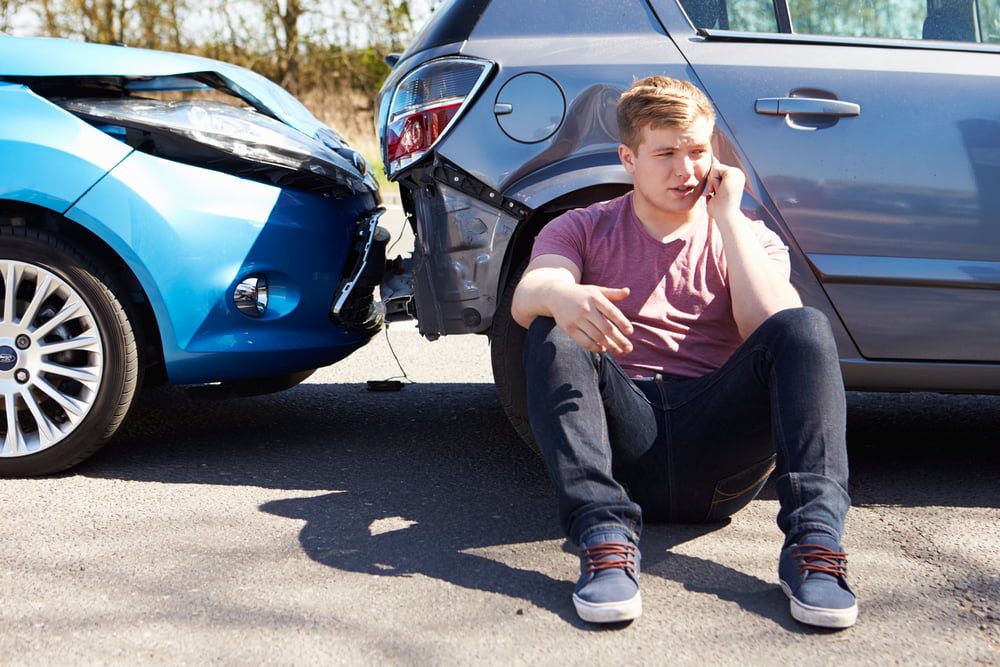
This sounds like a good thing, so what makes it deadly? Driving. Per mile driven, drivers aged 16 to 19 years old are nearly three times more than drivers older than 20 to be in a fatal crash. During the summer months, teenage deaths in vehicle accidents increase by 26 percent compared with the other months of the year.
Let’s look at some more facts:
-
- Motor vehicle crashes are the leading cause of death for teens.
- The risk of crashes is higher among 16-19-year-olds than any other group.
- An average 260 teens are killed in car crashes each month during the summer.
- 60 percent of teen crashes are caused by distracted driving.
- Having other teens in the car increases the crash risk.
- In 2015, only 61 percent of high school students reported they always wear seat belts when riding with someone else.
- Teens are more likely to speed and use shorter following distances.
- Teenage drivers also have the highest rates of crash involvement resulting in the deaths of passengers, pedestrians or occupants of other vehicles.
What does this mean for us as firefighters? On the response side, we must train to ensure our vehicle extrication and related EMS skills are in top form. We must know our tools and equipment and train for proficiency, practice and perform safe vehicle stabilization techniques when responding to vehicle accidents, and train/coordinate with law enforcement, EMS, and other first responders.
The other side of the equation is prevention. Your department should have a community awareness campaign to relay important messages to teens and parents. Following are some messages to consider.
For Teens:
-
- Passengers create risk. When possible, limit the number of passengers. And if you find yourself distracted by conversation, slow down, pull over or ask your friends to hold it down.
- Turn your cell phone off while driving or use an app that blocks calls and text messages while still allowing you to use navigation functions.
- If you’ve had any alcohol to drink, call a taxi or a ride share or find a sober friend to drive you. Or call your parents. Impaired driving is not only dangerous; it is a crime. If you’re caught, it can ruin your ability to get into the college of your choice or secure a job. And it’s expensive — lawyer’s fees, fines, increased insurance rates, etc.
- Don’t ride with dangerous drivers. Whether it’s someone who’s been drinking or someone who can’t keep their hands off their cell phone, saying “no thanks” may make the difference between life and death.
- Have a plan. What will you do if your phone battery dies? Do you know how to change a flat tire? Who will you call if something goes wrong — and can you remember that number, or are you relying on your phone to tell you?
For Parents:
-
- Don’t serve alcohol or other drugs at parties where teenagers are present.
- Set a good example when you’re behind the wheel. Always drive sober, obey all traffic laws, and don’t text or talk on the phone. A National Safety Council survey found 91 percent of parents who use their cell phones while driving do it in front of their teens despite acknowledging they are “one of their teens’ primary driving teachers.”
- Give your children permission to call you if they are in a potentially bad driving situation. In fact, encourage it. Think back to when you were a teenager — you likely feared your parents’ wrath more than you did an accident or arrest. Let them know you consider it mature and commendable to call for a ride when it’s dangerous to drive.
- Discuss with your children how they will react if the person they’re supposed to ride with has been drinking or taking drugs or is driving irresponsibly. During these conversations, listen. You might think you have the answers, but kids need to have strategies and “talking points” that will work for them, not you.
Summer is a time to relax, get outside and have fun with family and friends. Let’s change those deadly days into delightful days!
About the author: Sam DiGiovanna is a 40-year fire service veteran. He started with the Los Angeles County Fire Department, served as Fire Chief at the Monrovia Fire Department, and currently serves as Chief at the Verdugo Fire Academy in Glendale and Associate Director for the Calif Training Officers Assoc. He also is a consultant for Lexipol www.Lexipol.com