

|
Getting your Trinity Audio player ready...
|
May is Stroke Awareness Month
A Safe Stroke. Getting stroked can mean different things depending on the context. It could just mean being physically stroked—like someone gently running their hand over your skin or hair. In sport such as in rowing, the “stroke” is the rower who sets the rhythm. Being “stroked” could mean getting coached or guided in timing. It can also mean getting flattered or praised—like someone stroking your ego.
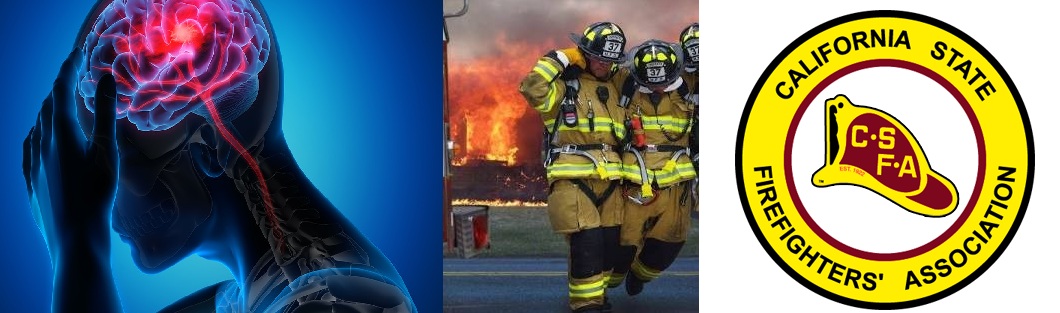
A Dangerous Stroke. Firefighters are at a high risk of heart disease due to the occupational hazards of the job and off-duty lifestyles. Here’s a quick breakdown to help prevent stroke and use as part of your Community Risk Reduction program to educate your community.
Why Firefighters May Be at Higher Risk for Stroke:
- High-Stress Environment: Emergency response work causes intense psychological and physical stress, which can increase blood pressure—a major stroke risk factor.
- Heat Exposure: Firefighting gear and extreme temperatures can cause dehydration and thickening of the blood, both of which can raise stroke risk.
- Shift Work and Sleep Disruption: Irregular sleep patterns can lead to hypertension, obesity, and diabetes—again, all stroke risk factors.
- Smoke and Chemical Exposure: Inhalation of toxic substances can damage blood vessels and increase the risk of cardiovascular events.
- Physical Strain: Sudden, intense physical exertion can put stress on the heart and circulatory system.
- Higher Rates of Hypertension and Heart Disease: Studies show that many firefighters have undiagnosed or untreated high blood pressure, which is a leading cause of stroke.
Here are some stroke prevention tips specifically tailored for firefighters:
- Monitor and Manage Blood Pressure
- Why: Hypertension is the #1 modifiable stroke risk.
- How: Get regular BP checks (ideally every shift or monthly at minimum). Use department health resources if available.
- Prioritize Cardiovascular Fitness
- Why: Strong heart health = lower stroke risk.
- How: Aim for at least 150 minutes of moderate-intensity exercise per week. Include aerobic training and strength conditioning that mirrors firefighting activity.
- Stay Hydrated
- Why: Dehydration thickens blood and raises stroke risk.
- How: Drink water before, during, and after calls. Avoid excessive caffeine and sugary drinks while on duty.
- Improve Sleep Hygiene
- Why: Poor sleep raises stroke risk significantly.
- How: Optimize rest between shifts. Use blackout curtains, limit screen time before sleep, and consider white noise machines.
- Eat for Heart Health
- Why: A clean diet helps manage weight, blood sugar, and cholesterol.
- How: Focus on whole grains, lean protein, fruits/veggies, and healthy fats. Avoid processed foods and excess salt.
- Manage Stress Proactively
- Why: Chronic stress = inflammation and high BP.
- How: Use peer support, mental health resources, or mindfulness techniques like deep breathing or meditation.
- Avoid Tobacco and Limit Alcohol
- Why: Both are direct contributors to stroke and heart disease.
- How: Seek support to quit if needed. Moderate alcohol to no more than 1–2 drinks per day.
- Get Regular Medical Screenings
- Why: Early detection of diabetes, cholesterol issues, or arrhythmias can prevent strokes.
- How: Encourage annual physicals and follow up on any abnormal results.
Your department polices should include NFPA 1582 Standards on Comprehensive Occupational Medical Programs for Fire Departments.
Sam DiGiovanna is a 40-year fire service veteran. He started with the Los Angeles County Fire Department, served as Fire Chief at the Monrovia Fire Department, and currently serves as Chief at the Verdugo Fire Academy in Glendale. He is Director at Large with the California State Firefighters Association, Associate Director for the California Training Officers Association and a consultant for www.Lexipol.com