

|
Getting your Trinity Audio player ready...
|
By Gary Giacomo
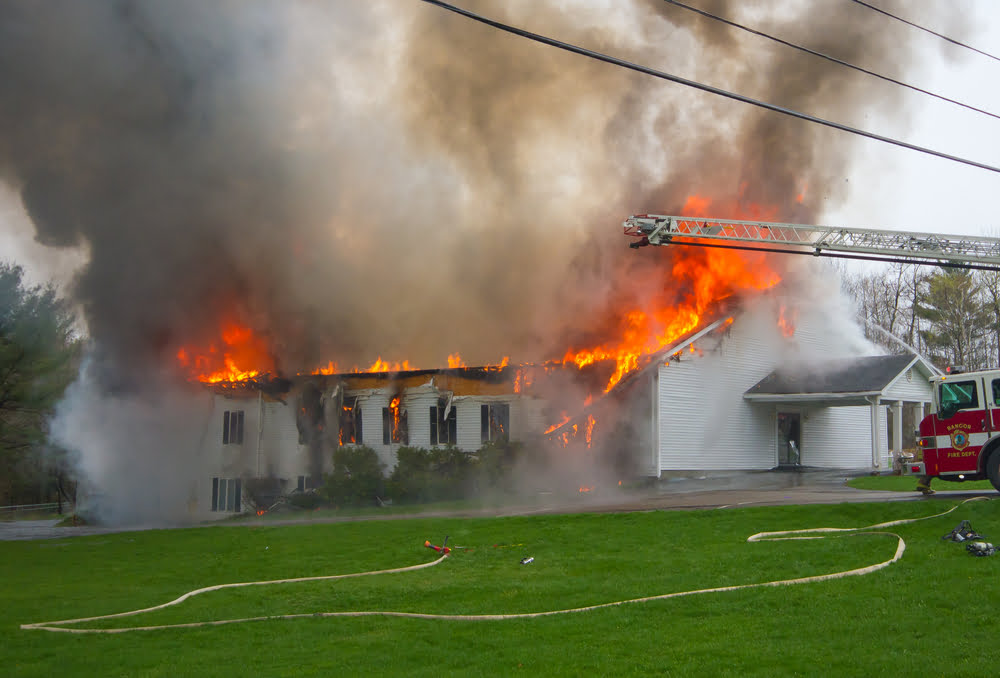
The Israel-Hamas war is sparking new fears of hate crimes include incidents of arson in the United States. Three decades of data from the Center for the Study of Hate and Extremism show that conflicts in the Middle East involving Israel frequently lead to big jumps in hate crimes here — particularly anti-Semitic attacks. On Sunday, several synagogues in Utah received bomb threats, and on Tuesday in Fresno a Jewish temple and bakery was vandalized.
Emergency services and public safety agencies can help to ensure the safety and security of faith-based communities within their areas of responsibility. This can be done not just by responding to the emergency, but also through collaborative planning, training, and building community partnerships.
The White House’s Office of Faith Based and Neighborhood Partnerships, established in 2021, leads the federal Centers for Faith-Based and Neighborhood Partnerships across the executive branch of the federal government in its comprehensive effort to enlist, equip, enable, empower, and expand the work of community-serving organizations, both faith-based and secular. In September 2023, the White House published Allied Against Hate: A Toolkit for Faith Communities. This toolkit describes practical steps faith communities can take to prevent acts of hate, discrimination, and bias, and to demonstrate solidarity with targeted communities if such acts tragically do occur.
On Oct. 10, DHS published a consolidated list of resources and information for faith and community leaders regarding the situation in Israel. DHS highlights its If You See Something, Say Something© Campaign Resources and its recently launched Prevention Resource Finder. Many additional resources can be accessed via the DHS Center for Faith-Based and Neighborhood Partnerships at dhs.gov/faith.
The Federal Emergency Management Agency (FEMA) provides many resources for emergency managers. These include FEMA’s Guide for Developing High-Quality Emergency Operations Plans for Houses of Worship and the U.S. Fire Administration’s resources on Protecting Houses of Worship Against Arson. Additional resources from FEMA are available at fema.gov/faith.
The Cybersecurity and Infrastructure Security Agency (CISA) provides resources that assist houses of worship in securing physical and cyber infrastructure. Earlier this year, CISA published Protecting Places of Worship: Six Steps to Enhance Security against Targeted Violence. This fact sheet is an excellent quick reference to the six overarching steps that faith-based organizations and community leaders can take to increase security. CISA and the Federal Bureau of Investigation (FBI) just released a companion document to the “Six Steps” in September 2023, Protecting Houses of Worship: Perimeter Security Considerations Infographic. This infographic outlines low- to no-cost solutions to help implement suggested practices in the “Six Steps” and highlights ways to identify funding for security improvements. Information about all of CISA’s resources and services are accessible via its Protecting Houses of Worship page. Local law enforcement and physical security professionals may benefit from consulting these resources when conducting outreach or planning with their community’s faith-based organizations.
The Department of Justice (DOJ) developed Safeguarding Houses of Worship, which guides local law enforcement agencies in working with institutions to evaluate security needs and develop security and safety plans. This resource is available to public safety officials upon request.
The Office of the Director of National Intelligence (ODNI), National Counterterrorism Center (NCTC) provides resources for first responders through its First Responders’ Toolbox series. The First Responder’s Toolbox, Threats Against Houses of Worship Highlight the Importance of Religious Community Outreach, can help emergency response agencies to enhance communication, coordination, and training among stakeholder agencies to improve security protocols, increase awareness of suspicious activity indicators, and ultimately improve the ability to prevent, detect, deter, and disrupt potential plots.