

|
Getting your Trinity Audio player ready...
|
In the fire service, every breath matters. Firefighters and emergency responders routinely face invisible threats such as gases, chemicals, and smoke that can silently compromise respiratory health over time.
That’s why regular pulmonary function tests (PFTs) aren’t just a recommendation, they’re a safeguard. These screenings help detect early signs of lung disease and ensure our personnel are fit to serve safely and effectively.
Let’s honor Lung Cancer Awareness Month by protecting the lungs that protect our communities.
Why Are Firefighters at Increased Risk for Lung Disease?
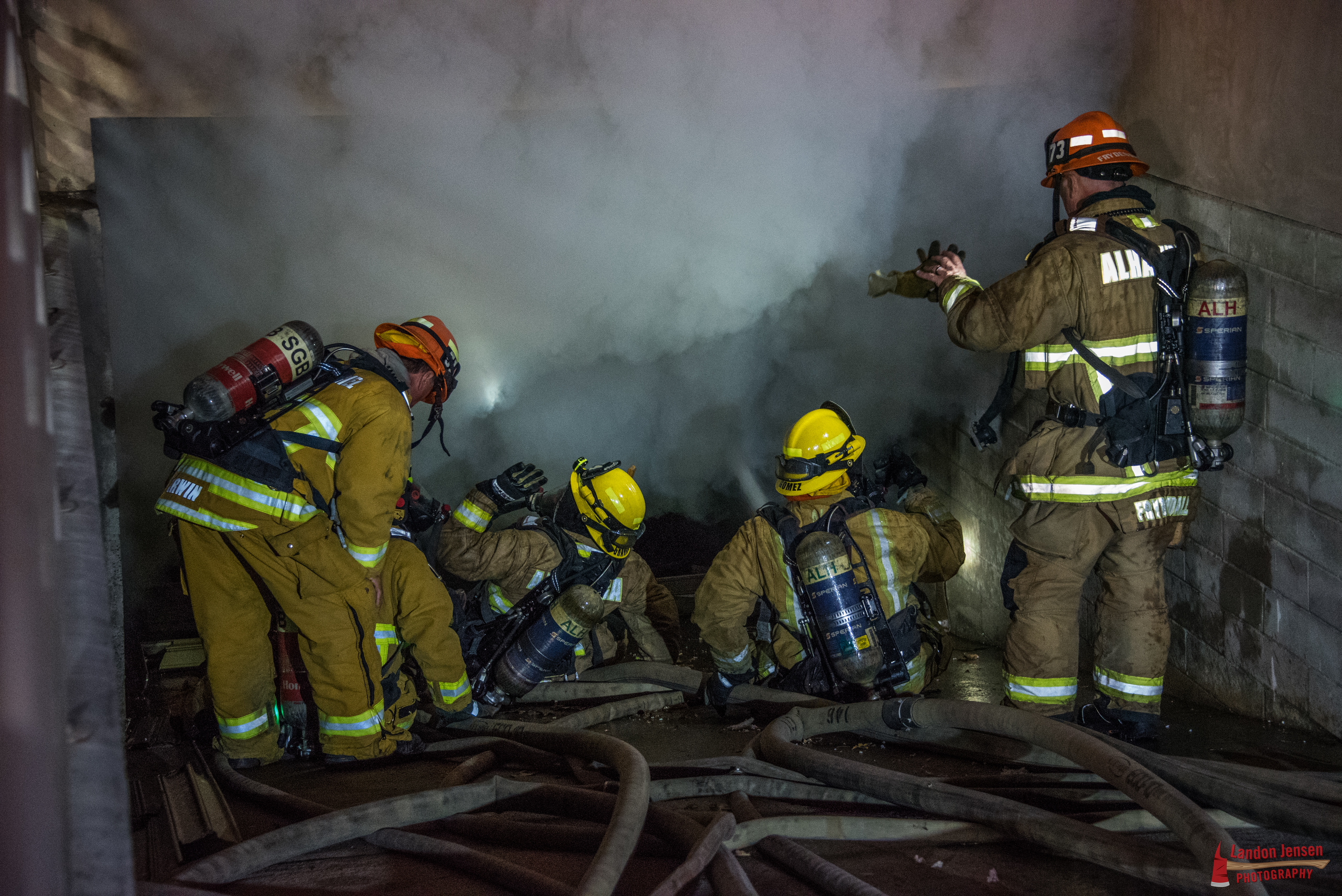
During fires, firefighters are exposed to potentially hazardous concentrations of toxic agents such as carbon monoxide, benzene, hydrogen cyanide, asbestos, as well as diesel exhaust and polycyclic aromatic hydrocarbons (PAHs) which are known to have the potential to cause cancer. Firefighters are at a higher risk to develop chronic issues, including lingering cough, hoarseness, asthma, and allergies. In more extreme cases, firefighters may be diagnosed with a multitude of cancers, including lung or bronchial, as well as chronic interstitial, autoimmune and constrictive diseases that affect the respiratory system.
One of the many pollutants found in smoke is particle pollution, which is a mix of tiny solid and liquid particles suspended in air so small that they enter and lodge deep in the lungs. Firefighters can inhale smoke and a wide range of toxic chemicals that may be present in a burning building.
On-Going Risk
Firefighters face ongoing threats from responding to disasters. Many first responders to the site of the terrorist attack on Twin Towers in New York City on Sept. 11, 2001, have developed different variants of asthma, acute rhinitis, sinusitis, sore throat, acute cough and other lung diseases. With the increased number of mega wildfires due to climate change, firefighters are now battling more urban fires and exposures to carcinogens and asphyxiants and other irritants from burning buildings, cars, furniture, and other toxic substances.
Firefighters are also exposed to diesel exhaust from idling trucks in the station. Diesel is a known carcinogen. It is important that firefighters understand how to take care of their lungs and what to look for if they suspect any health issues.
Lung Health Effects of Firefighting
Exposure to pollutants during firefighting can impact many of the body systems and the health effects may be extensive. In this section, we are going to focus primarily on health effects that impact the respiratory system. Talk to your doctor to learn more about other potential health impacts.
Short Term:
Simply put, in the short term, smoke inhalation from firefighting irritates the airways. This may present as:
-
- Coughing
- Wheezing
- Phlegm
- Shortness of breath
- Exacerbation or worsening of other lung diseases like asthma
- Bronchitis
Long Term:
The long-term respiratory effects of firefighting are still being studied. Current data show firefighting can result in:
An increased risk of death from cancer, including lung cancer. Lung cancer screening is recommended for individuals who meet certain high-risk criteria. Right now, this criterion does not take occupational exposure into consideration. Learn if you are eligible for lung cancer screening based on your age and smoking history and talk to your doctor about your cancer screening options. An increased risk of death from COPD with increasing fire-hours.
How to Reduce Your Risk
Exposure and risk levels depend on building material, materials stored in the building, fire conditions (like temperature and oxygen availability) and the phase of the fire. The knockdown phase typically has a higher exposure to irritants compared to the overhaul phase.
There are a few steps you can take to reduce your risk of lung disease.
-
- Work with your employer to ensure access to the appropriate protective equipment. Make sure you are using it correctly and whenever it is indicated.
- Attend repeated trainings on how to minimize your exposure to harmful chemicals.
- Reduce your exposure to lung irritants outside of work. Don’t smoke or vape and avoid secondhand smoke whenever possible. Test your home for high levels of radon (the second leading cause of lung cancer), and if it has high levels, be sure to mitigate it. Stay inside on poor air quality days whenever possible.
- Because diesel exhaust is a known human carcinogen, encourage your employer to purchase electric-powered fire trucks that produce no diesel exhaust.
The American Lung Association is pleased to provide a limited number of free Freedom From Smoking memberships for firefighters. Please contact [email protected] for more information.
Early Warning Signs of Lung Disease
There are many early warning signs of lung disease. A persistent cough or slight wheeze may not seem like something serious, but it is important that firefighters pay attention to even mild symptoms. Learn more about the warning signs here. Tell your doctor your complete medical history, including how many years you have been firefighting. Also pay attention to any decline in lung function revealed on your periotic lung function tests, which may be part of your regular physical offered by your department.
Additional Resources
Sam DiGiovanna is a 40-year fire service veteran. He started with the Los Angeles County Fire Department, served as Fire Chief at the Monrovia Fire Department, and currently serves as Chief at the Verdugo Fire Academy in Glendale. He is Director at Large with the California State Firefighters Association, Associate Director for the California Training Officers Association and a consultant for www.Lexipol.com