

|
Getting your Trinity Audio player ready...
|
A Daily Stand for Unity and Respect
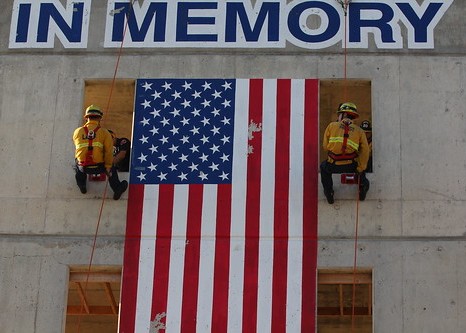
It seems like only months ago we were in remembrance of the 911 attacks on Sept 11th, 2001. I cannot believe another year has already gone by. The day this happened was a surreal day I will never forget. With so many things going on locally, nationally, and globally, what happened September 11th, 2001, can move to the back of our minds. We are quick to forget; however, we cannot forget those that sacrificed their lives on that day.
In a world increasingly shaped by division, disruption, and digital noise, the quiet power of civility is often overlooked. Yet civility—rooted in respect, empathy, and accountability is not a luxury. It’s a necessity. It’s the foundation of trust in our communities, the glue of effective leadership, and the compass that guides us through conflict with dignity.
I’ve seen firsthand how civility can be both a lifeline and a legacy. It’s not just about being polite. It’s about choosing to honor others, even when it’s inconvenient. Especially when it’s inconvenient.
What Does Civility Look Like in Daily Life?
Civility begins with the smallest choices—those that often go unnoticed but carry the greatest weight:
- Listening to Understand. Giving someone your full attention, without interruption or judgment, is one of the most powerful acts of respect.
- Expressing Gratitude. A sincere “thank you” or “I appreciate you” can shift the tone of a conversation, a meeting, or a relationship.
- Assuming Positive Intent. Before reacting, pause. Consider that someone’s behavior may stem from stress, fear, or a different worldview. This mindset builds bridges.
- Owning Mistakes. Accountability isn’t weakness—it’s leadership. Apologize when needed. Model growth.
- Inviting Diverse Opinions. Civility thrives in inclusion. Ask others how they see things. Practice curiosity over correction.
- Disagreeing with Dignity. Conflict is inevitable. Disrespect is optional. Use calm tones, “I” statements, and focus on solutions.
- Offering Micro-Affirmations. Compliment effort. Acknowledge presence. Celebrate growth. These small gestures build psychological safety.
Civility in the Workplace and Community
In professional settings, civility is more than culture—it’s strategy. It enhances collaboration, reduces burnout, and strengthens morale. Consider these approaches:
- Create a Civility Code. A shared set of values that teams commit to and revisit.
- Lead by Example. Civility is contagious. When leaders model it, others follow.
- Offer Civility Training. Workshops that explore empathy, bias, and respectful communication.
- Celebrate Civil Acts. Recognize individuals who demonstrate kindness, patience, or bridge-building.
Why Civility Matters Now More Than Ever
The past few years have tested our nation’s resilience—from the pandemic and civil unrest to natural disasters and global conflict. These challenges have exposed not only our vulnerabilities but also our capacity for compassion. Yet, as we face growing polarization, we must confront a deficit that rarely makes headlines: the erosion of civility.
Faith and Family
In a world that often feels divided and distracted, faith and family remain our most powerful sources of strength. They teach us how to love deeply, act responsibly, and rise together through adversity. Faith reminds us that we are part of something greater—a story still unfolding, with purpose and grace guiding each step. Family grounds us in that story, offering a place to grow, heal, and pass on the wisdom of generations.
Whether gathered around a dinner table, a campfire, or a moment of quiet prayer, these bonds shape our character and our community. They are not just traditions—they are lifelines. Let us honor them. Let us protect them. Let us live by them. Because when faith and family lead the way, resilience follows.
If we don’t stand for something, we’ll fall for anything. Stand for your Faith and your family. And if we don’t stand for civility, our freedom—as we know it—will erode even more quickly. Civility is not weakness. It is strength under control. It is the quiet courage to treat others with dignity, even when the world feels chaotic. It is the daily decision to build, not break.
A Call to Action
Let us be guardians not only of safety, but of civility. In memory of those we’ve lost—in tragedy, in service, in silence—we stand united. In purpose. In kindness. In resolve.
One kind act. One respectful conversation. One moment of listening. That’s how we rebuild civility—one choice at a time.
Sam DiGiovanna is a 40-year fire service veteran. He started with the Los Angeles County Fire Department, served as Fire Chief at the Monrovia Fire Department, and currently serves as Chief at the Verdugo Fire Academy in Glendale. He is Director at Large with the California State Firefighters Association, Associate Director for the California Training Officers Association and a consultant for www.Lexipol.com