

|
Getting your Trinity Audio player ready...
|
Emotional Flooding is When Your Body “Shuts Down” in Overwhelming Situations
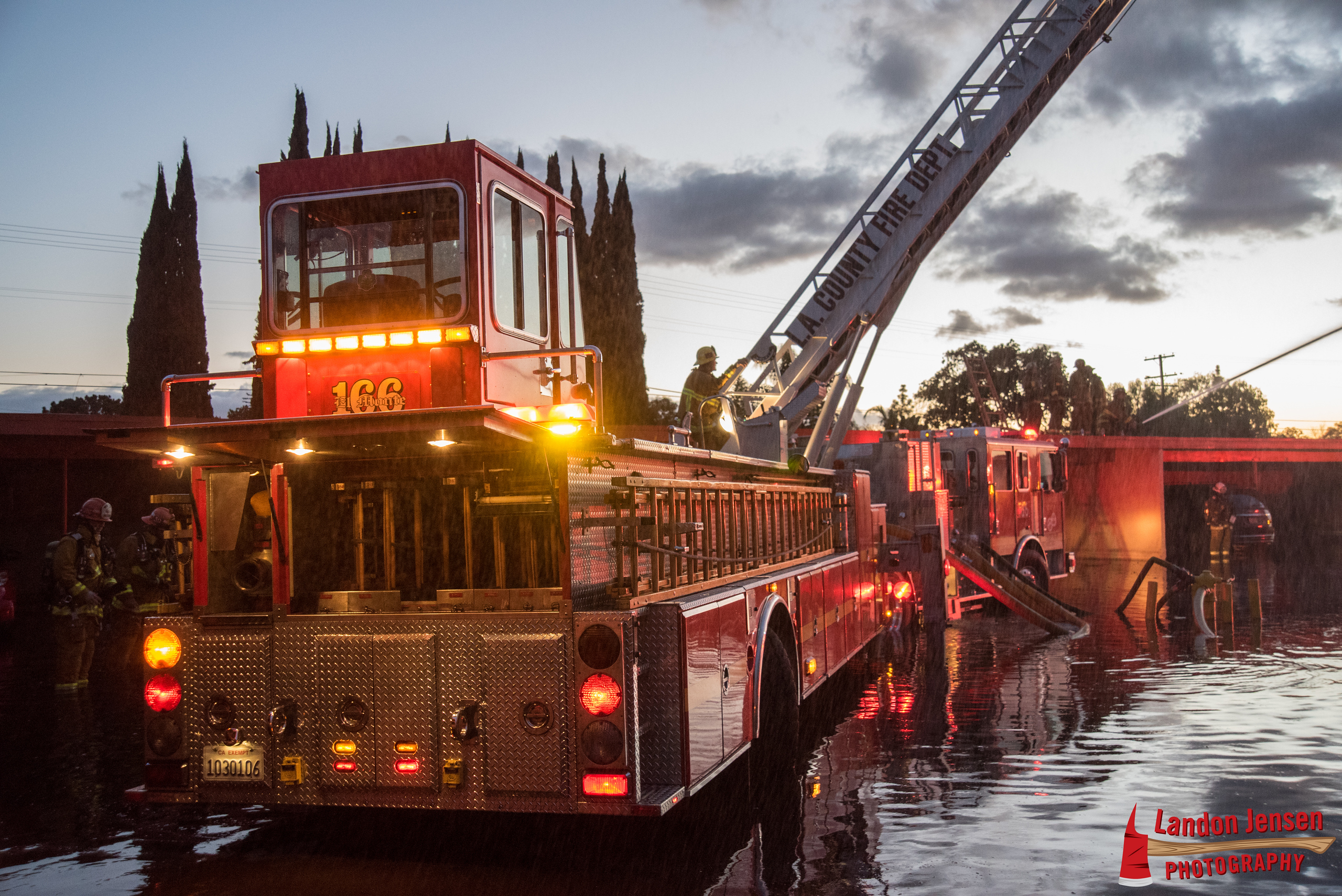
As Firefighters we are often called out on flooded conditions. These are usually caused by broken water pipes, sprinkler activations, appliances such as washing machines, dishwashers or toilets overflowing/breaking, heavy rain or broken street mains. We respond quickly to extract and clear water before it causes damage.
As First Responders our mind can easily get caught in a flooded condition due to the stressors associated with our job. The flooded mind of negativity. We’ll call this “Emotional Flooding.” Emotional flooding can be triggered by different things in different people, but emotionally overwhelming situations (such as arguments or parties) often cause it. When a lot is happening physically and/or emotionally around you, you mentally go into fight-or-flight mode (whether you mean to or not). This reaction can make you feel like you’re swimming in emotions, causing your body to shut down.
Emotional Flooding Symptoms
Panic-like symptoms are often associated with emotional flooding. The symptoms of this bodily reaction vary for each individual, as each emotionally stressful situation can trigger a different response. Even so, there are commonalities. Most people experience anxiety-related symptoms when they’re emotionally flooded, such as: Increased heart rate. Quick or shallow breathing. Trouble focusing. Muscle tension. Negative self-talk. Avoidance behaviors. Throat constriction. Aggression or out-of-character behavior. A strong will to leave or escape the situation. These symptoms may be present in either your personal or professional life and sometimes simultaneously.
Responding to and Managing Emotional Flooding
Take a time out. A great way to cope with emotional flooding in the moment is to take a step back and breathe. Remove yourself from the situation (if you can). Then, take deep breaths in through your nose and out through your mouth. This can help regulate your nervous system, calm your nerves, and make it easier to think. For example, if you’re in a tense debate with your partner, say something like, “I’m feeling overwhelmed. Can we take a time out to collect ourselves and come back to the conversation in a few minutes?” While you take a break, play with your pet, listen to soothing music, do yoga, or take a walk outside. Do whatever helps you feel relaxed.
Communicate with your loved ones. Know that you don’t have to be alone in this fight. If you feel emotionally overwhelmed or flooded, speak up. This way, your loved one can give you space to take time out to collect your thoughts. For example, try saying to your partner, “I’m getting flooded. This is overwhelming. Can I have a moment to myself, please?” Taking even a short 20-minute break from the overwhelming conversation or situation can help you steady your emotions and feel like yourself again.
Talk positively to yourself. What you say and believe about yourself can greatly impact your mental health. The next time you think something negative about yourself, reframe the thought into something positive. This can help you feel less stressed and boost your self-esteem, easing emotional flooding symptoms.For instance, instead of saying, “I can’t handle this” you might say, “This is challenging, but I can figure it out.”
Set boundaries. An amazing thing you can do for yourself and your mental health is to set boundaries in all your relationships. Communicate what you need with your partner, parents, children, and boss. Setting healthy boundaries helps regulate your interactions while providing a sense of control. In the case of emotional flooding, setting boundaries can look like having your partner check in with you before addressing a sensitive topic or creating a code word you can use when you’re feeling overwhelmed in public.
Listen to your emotions. A great way to manage emotional flooding is to learn why and when you become overwhelmed emotionally. What triggers your flight-or-fight response? Rather than pushing your emotions aside, acknowledge them to better understand yourself. Practice being mindful of your emotions. Ask yourself, “How do I feel?” “Why do I feel this way?” and “Is there anything I need right now?”
Talk to a licensed qualified therapist or psychologist. It’s always a good idea to get a second opinion, especially from a licensed professional! Don’t hesitate to ask for extra help when it comes to regulating your emotions and managing emotional flooding. A therapist can guide you on a journey of self-improvement and provide personalized coping techniques to benefit you. Try using an online therapy platform, such as Talk space and Brightside, to talk to a therapist from the comfort of your home.
Full Article: binged.it/3X6r4jV
Sam DiGiovanna is a 40-year fire service veteran. He started with the Los Angeles County Fire Department, served as Fire Chief at the Monrovia Fire Department, and currently serves as Chief at the Verdugo Fire Academy in Glendale. He also is Associate Director for the California Training Officers Association and a consultant for www.Lexipol.com