

|
Getting your Trinity Audio player ready...
|
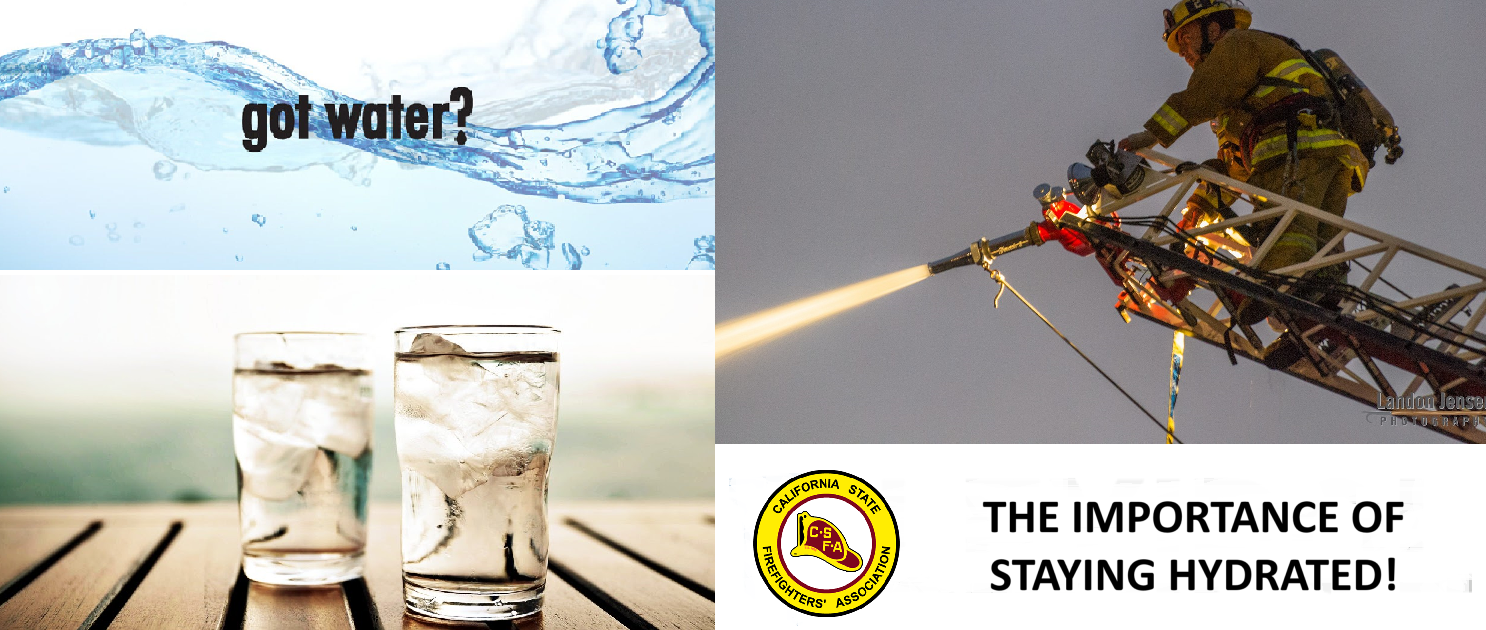
Summer is here, along with warm temperatures, staying hydrated is absolutely critical for firefighters due to the intense physical demands and extreme heat conditions they face. Here’s why staying hydrated is essential for firefighter health, safety, and performance:
Regulates Body Temperature
Firefighters often work in high-temperature environments wearing heavy, insulated gear. Hydration help maintain core body temperature and prevents overheating and heat-related illnesses like heat exhaustion or heat stroke.
Maintains Cognitive Function
Dehydration affects decision-making, reaction time, and concentration — all of which are crucial during emergency operations. Even 1-2% fluid loss can impair mental performance. In high-stress scenarios, dehydration increases the risk of critical errors
Supports Physical Performance
Firefighting is extremely physically taxing. Water helps maintain muscle function. Prevents fatigue, cramps, and reduced endurance. Facilitates nutrient transport and waste removal.
Prevents Heat-Related Illnesses
Firefighters are at high risk of:
- Heat exhaustion
- Heat stroke
- Rhabdomyolysis (muscle breakdown caused by heat and overexertion)
Hydration is the first line of defense against these potentially life-threatening conditions.
Aids Recovery
After a fire, training or rigorous exercise, hydration speeds recovery by helping flush out toxins and reduce inflammation as well as replenishes electrolytes lost through sweat (especially sodium and potassium).
Best Practices for Firefighters
- Hydrate before the call: Don’t wait until you’re thirsty.
- Drink during operations: Take sips when safe to do so.
- Rehydrate after calls with water and electrolyte solutions.
- Avoid caffeinated or sugary drinks — they can worsen dehydration.
In Conclusion
Hydration is not optional, it’s survival. Firefighters who stay hydrated protect not just themselves, but their crew and the public they serve.
Sam DiGiovanna is a 40-year fire service veteran. He started with the Los Angeles County Fire Department, served as Fire Chief at the Monrovia Fire Department, and currently serves as Chief at the Verdugo Fire Academy in Glendale. He is Director at Large with the California State Firefighters Association, Associate Director for the California Training Officers Association and a consultant for www.Lexipol.com