


|
Getting your Trinity Audio player ready...
|
Stretching across over 20,000 square miles of mountains, deserts, and urban landscapes, San Bernardino County is the largest county in the United States. Its sheer size, combined with a mix of densely populated cities, rural communities, and vast wilderness, creates a unique set of challenges for emergency responders. At the forefront of safeguarding this diverse terrain is the San Bernardino County Fire Protection District—an agency that has evolved into one of the most technologically advanced firefighting and emergency services organizations in the country. From battling wildfires that rage through the San Bernardino National Forest to performing technical rescues in remote desert canyons, SBCoFPD relies on cutting-edge technology, strategic resource deployment, and highly trained personnel to keep its 2.2 million residents safe.San Bernardino County Fire Protection District, led by Fire Chief/Fire Warden Daniel R. Munsey, employs approximately 700 full-time suppression personnel who staff 51 fire stations across the county. Additionally, there are six paid-call stations that rely on part-time firefighters to provide emergency services. These paid-call stations are typically located in more remote or less densely populated areas, ensuring comprehensive coverage and timely response throughout the county.
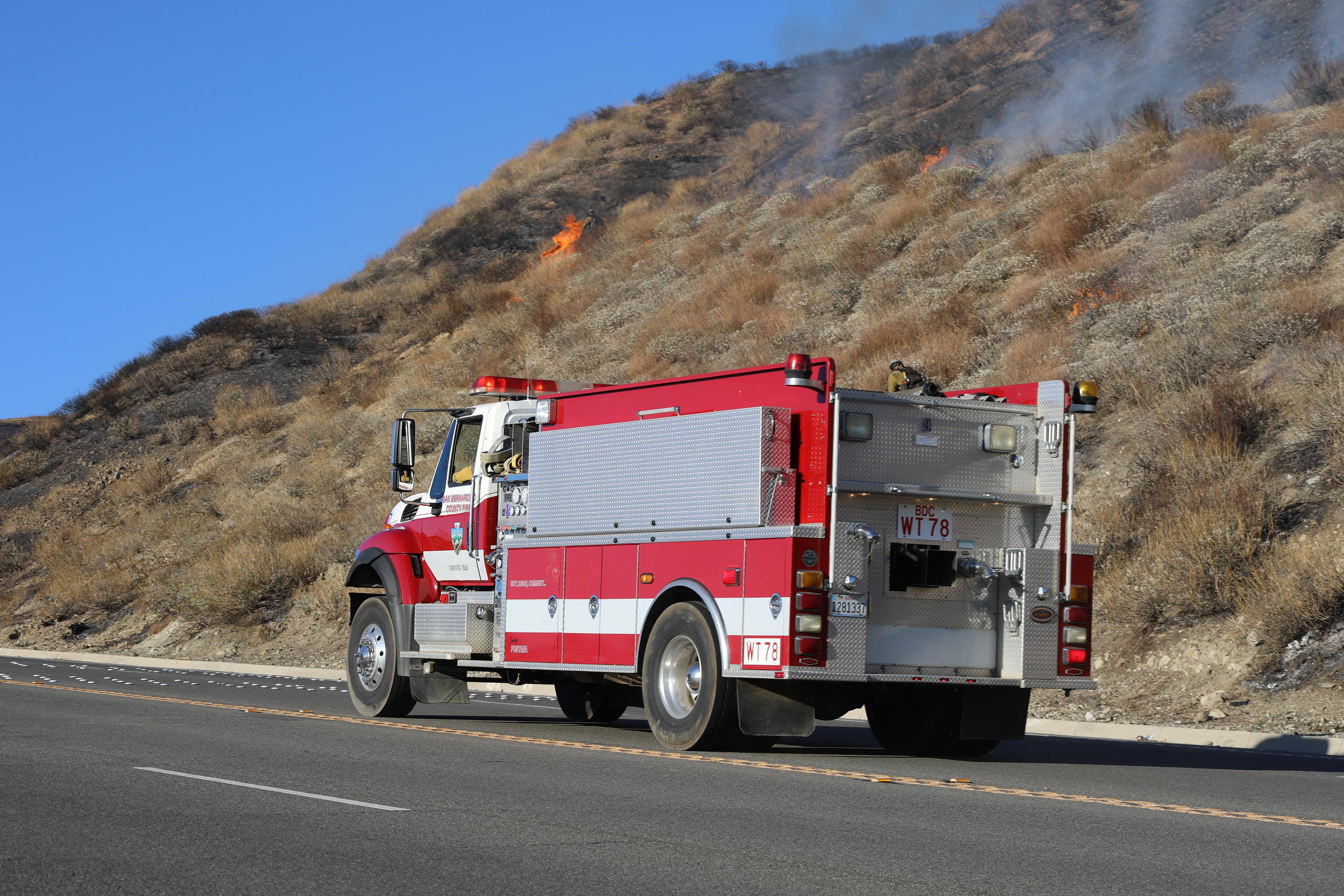
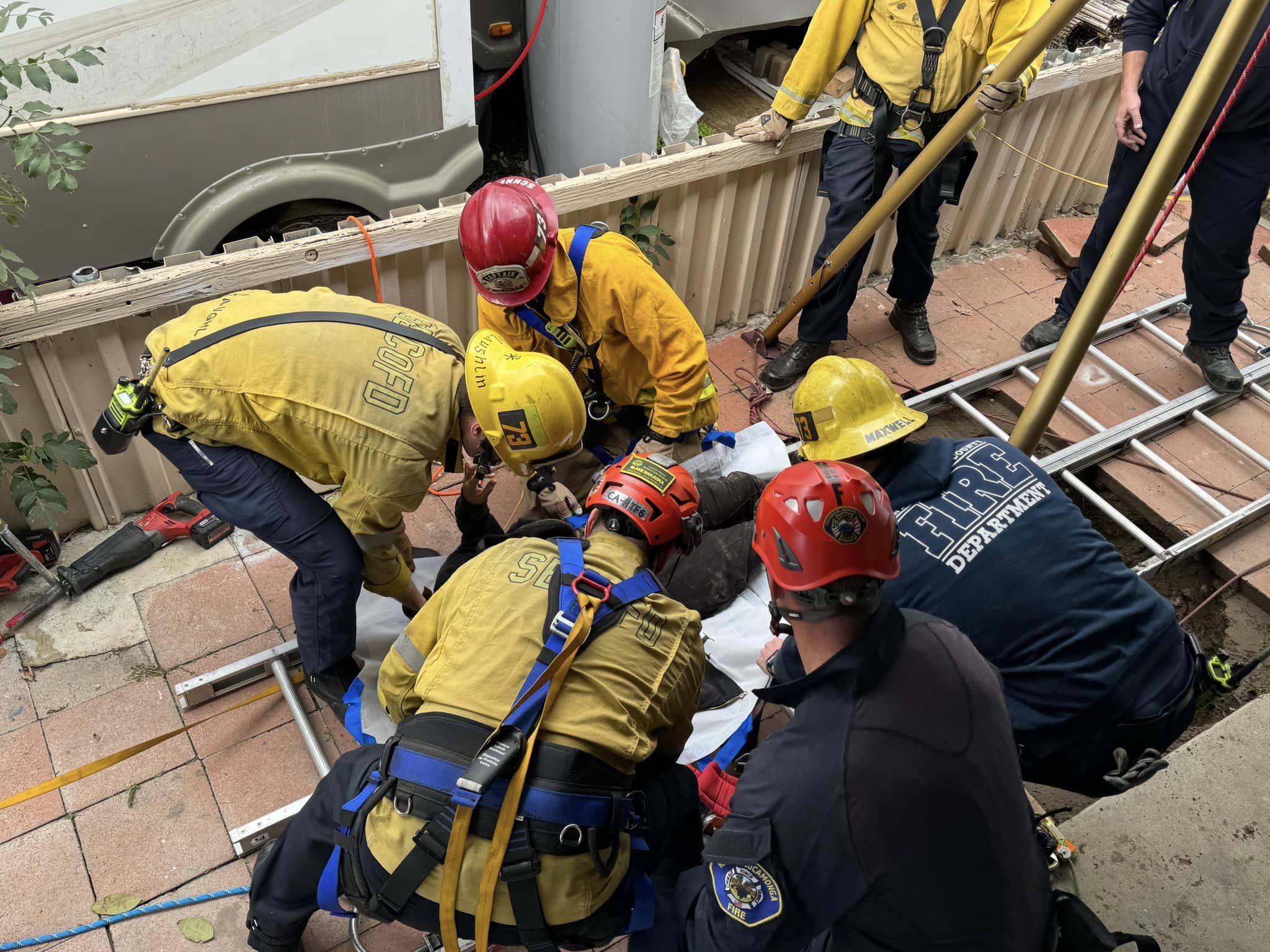
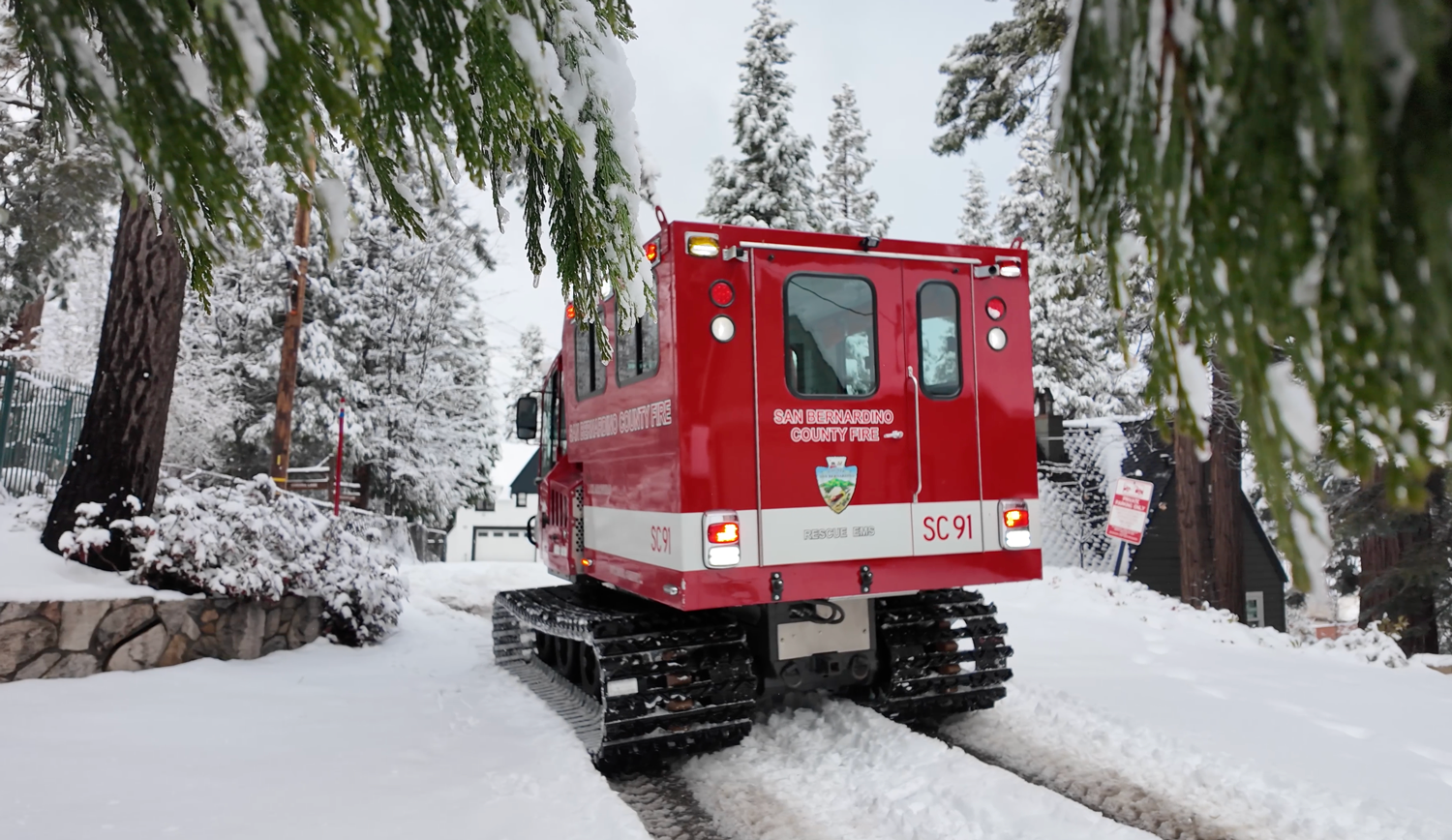
SBCoFPD serves more than just the county’s urban centers; it extends its protection to vast stretches of desert, mountainous terrain, and even portions of the Mojave National Preserve. With such an expansive jurisdiction, the agency must operate differently than traditional city-based fire departments. The district is divided into five regional divisions, each covering a different geographic and demographic area. These divisions ensure resources are strategically placed for optimized response, whether in high-density neighborhoods or remote rural communities. Because of the diverse areas that the fire protection district covers, fire personnel operate on a wide range of apparatus, including but not limited to engines, squads, trucks, ambulances, helicopters, snowcats, and boats. But what truly sets SBCoFPD apart is its innovative approach to using technology in firefighting, emergency medical services, and disaster response.
Technology has revolutionized modern firefighting, and SBCoFPD has been at the forefront of adopting and implementing advanced tools to enhance safety and efficiency. Spearheaded by Deputy Fire Marshall Adam Panos, the San Bernardino County Fire Protection District’s Technology Plan 2030 outlines a strategic roadmap to integrate current and emerging technologies aimed at enhancing hazard mitigation, risk reduction, life and property protection, firefighter safety, operational efficiency, and service levels. Key initiatives include implementing interoperable and automated systems to improve situational awareness, utilizing data-informed decision-making through advanced analytics, ensuring robust cybersecurity measures, and fostering internal capacity to support and sustain technological advancements. This comprehensive plan reflects SBCoFPD’s commitment to leading in public safety innovation and effectively serving the diverse communities within San Bernardino County.
One of the most significant technological advancements used by SBCoFPD is its use of unmanned aerial vehicles (UAVs) or drones. These high-tech devices provide real-time intelligence during emergencies, offering aerial perspectives that ground crews cannot achieve. Drones equipped with infrared cameras can detect hot spots, allowing firefighters to identify where fires are spreading even through thick smoke. They are also invaluable in search and rescue operations, whether locating a lost hiker in Joshua Tree National Park or assessing flood damage in mountain communities. In hazardous material incidents, drones allow emergency personnel to assess situations from a safe distance, helping hazmat teams formulate response strategies without immediate exposure.
SBCoFPD also modernized its fleet with state-of-the-art fire engines and specialized vehicles designed for the county’s unique geography. Type 3 wildland fire engines are built for off-road capabilities, essential for navigating rugged mountain terrain and desert landscapes. Water tenders play a crucial role in rural areas without access to fire hydrants, transporting thousands of gallons of water to remote incidents. Urban Search & Rescue (USAR) vehicles are equipped with cutting-edge rescue tools, playing a critical role in disasters like earthquakes and building collapses. Additionally, SBCoFPD has implemented thermal imaging cameras on all its engines and trucks, allowing crews to see through smoke and darkness to locate trapped individuals and determine temperatures within a structure fire.
While responding to emergencies is a core function of SBCoFPD, fire prevention and public education are equally important. Given the county’s high wildfire risk, SBCoFPD has invested heavily in fire mitigation efforts and community outreach programs. To combat the ever-present wildfire threat, SBCoFPD partners with local, state, and federal agencies to conduct controlled burns and fuel reduction projects. These proactive measures help remove excess vegetation, reducing the likelihood of catastrophic fires. The district also provides defensible space inspections, ensuring homeowners in fire-prone areas meet safety standards that can help prevent property loss. Through its “Ready! Set! Go!” program, SBCoFPD educates the public on evacuation readiness, emphasizing the importance of early action when wildfires threaten their communities.
Beyond firefighting, SBCoFPD is a leader in emergency medical services (EMS) and technical rescue operations. Every second counts in medical emergencies and SBCoFPD’s firefighter paramedics provide Advanced Life Support (ALS) care, ensuring patients receive critical treatment before arriving at hospitals. The district also staffs air rescue helicopters in cooperation with San Bernardino County Sheriff’s Department Aviation Division, which are essential for reaching victims in remote areas like the San Bernardino Mountains and across the Mojave Desert. These helicopters are staffed with flight rescue-paramedics and can quickly access and transport critically injured patients.
The SBCoFPD Urban Search and Rescue (USAR) team, California Regional Task Force 6 (CA-RTF-6) specializes in complex rescue operations. This team is augmented with an additional 18 members from the Chino Valley Independent Fire District, the Ontario Fire Department, and the Rancho Cucamonga Fire District. Equipped with advanced tools and resources, the team responds to a wide variety of emergencies, including structural collapses, swift water rescues, confined space incidents, and high-angle rescues. Notable assignments for CA-RTF-6 include the Camp Fire in Paradise, CA, in 2018, the blizzard in the San Bernardino mountains in 2022, and Tropical Storm Hillary in 2023.
The SBCoFPD maintains three Heavy Rescue Units throughout the county: One in the West Valley Division (Fontana), one in the Mountain Division (Lake Arrowhead), and one in the High Desert Division (Hesperia).
Within SBCoFPD, Division 13, known as the Special Operations/Wildland & Aviation Division, plays a pivotal role in managing specialized programs that enhance the department’s operational capabilities. Led by Division Chief Jim Topoleski, a seasoned firefighter with nearly 40 years of experience, Division 13 oversees the Hand Crew program, which consists of one Type 1 hand crew, one Type 2 IA hand crew and a fuels crew.Another critical program under Division 13 is the Community Outreach and Support Team (COAST) program. COAST is a collaborative effort involving SBCoFPD, San Bernardino County Department of Behavioral Health, and local law enforcement agencies. This program is designed to address behavioral health emergencies, particularly among individuals experiencing homelessness or mental health crises. COAST teams respond to emergency calls where behavioral health issues are a factor, aiming to de-escalate situations, provide immediate medical and psychological support, and connect individuals with appropriate long-term care and resources. By integrating fire, law enforcement, and behavioral health services, the COAST program enhances the county’s ability to manage complex emergencies compassionately and effectively. Division 13 also oversees the SWAT Medic program, providing paramedic support to law enforcement operations.
In addition to these programs, Division 13 oversees the Dozer and Heavy Equipment Program, which is integral to SBCoFPD’s wildfire suppression and mitigation efforts. Established in August 1998, the Dozer Program utilizes dozers and other specialized heavy equipment to create fire lines, conduct fuel reduction projects, and assist in flood mitigation efforts. These dozers enhance SBCoFPD’s capability to contain wildfires by constructing firebreaks and clearing vegetation in challenging terrains. The program also emphasizes rigorous training for operators, ensuring they are adept at maneuvering heavy machinery under dynamic and hazardous conditions.
Through these specialized programs, Division 13 significantly contributes to SBCoFPD’s mission of delivering effective and efficient emergency services across the county.
As wildfires intensify year-round and population growth increases the demand for emergency services, the San Bernardino County Fire Protection District remains committed to innovation, training, and community safety. By integrating the latest technology with traditional firefighting expertise, SBCoFPD continues to set a national standard for emergency response in vast and challenging environments. Their motto, “Duty, Honor, Community,” reflects their unwavering commitment to protecting life, property, and the environment—no matter the emergency, no matter the terrain. For the residents of San Bernardino County, knowing they are safeguarded by one of the most advanced and capable fire protection districts in the nation provides a sense of security that cannot be overstated. Whether responding to wildfires, medical emergencies, or large-scale disasters, SBCoFPD stands as a beacon of resilience, ready to serve when disaster strikes.
For more information about the San Bernardino County Fire Protection District, go to www.sbcfire.org
Additional information, incident updates and other exciting stories can be found on Instagram, Facebook, LinkedIn, TikTok, X, and YouTube.
San Bernardino County Statistics (FY 2024-25)
July 1, 2024 – March 31, 2025
Total Calls for Service to Date: 104,978
| 941 | Structure Fire |
| 702 | Vegetation Fire |
| 1,031 | Vehicle Fire |
| 5,487 | Other Fire |
| 4,338 | Investigation/Alarm |
| 1,351 | Hazardous Materials |
| 80,618 | Medical Aid |
| 1,165 | Public Service |
| 193 | Rescue |
| 6,891 | Traffic Collisions |
| 264 | Traffic Collisions + Extrication |
| 1,997 | Miscellaneous |
Chris Prater Public Information Officer/Firefighter/Paramedic
San Bernardino County Fire Dept.
If You Would Like to Spotlight Your Agency Email [email protected]
 Sam DiGiovanna is a 40-year fire service veteran. He started with the Los Angeles County Fire Department, served as Fire Chief at the Monrovia Fire Department, and currently serves as Chief at the Verdugo Fire Academy in Glendale. He is Director at Large with the California State Firefighters Association, Associate Director for the California Training Officers Association and a consultant for www.Lexipol.com