

|
Getting your Trinity Audio player ready...
|
CSFA Community Risk Reduction
Reported Gas Leak in a Structure
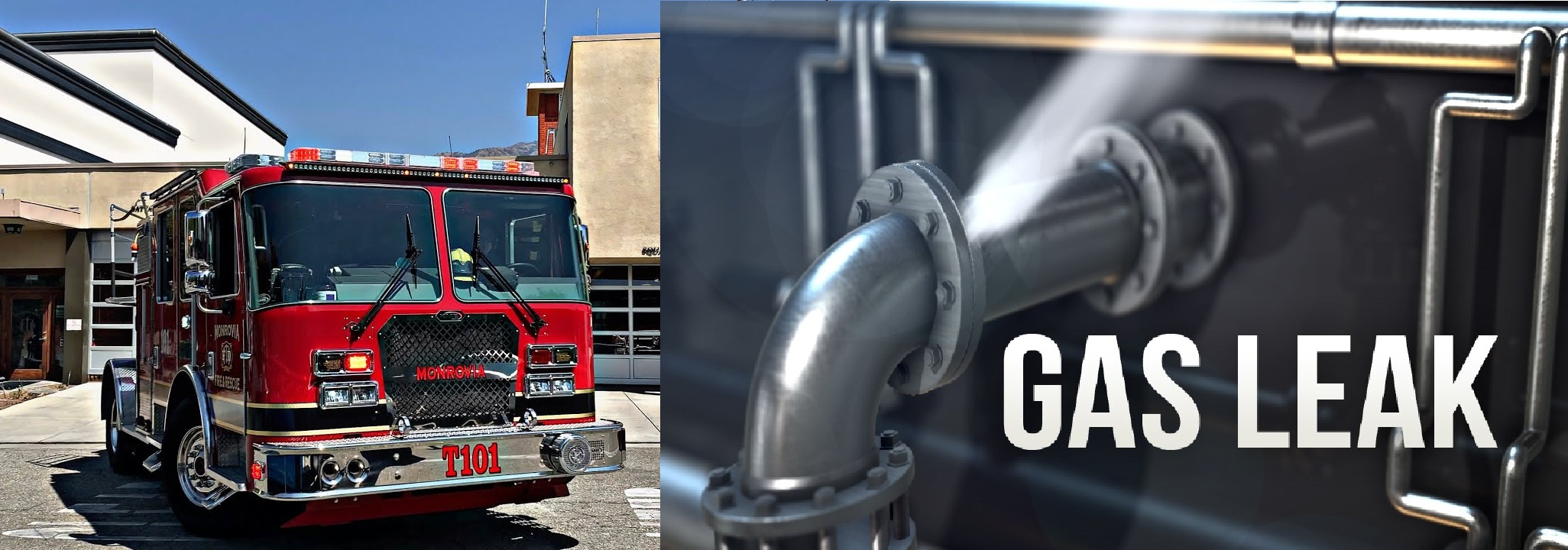
The call comes in “Truck 101 reported gas leak in a structure.” These calls increase in winter months. While the warmth is welcome, this season also brings an increase in calls for gas odors, leaks, and heating-related emergencies. As temperatures drop and winter storms roll in, families across our communities are turning on their heaters and furnaces for the first time in months.
Safe heating isn’t just about comfort; it’s about protecting lives. Through your agencies Community Risk Reduction program, it’s a good time to educate them with a few proactive steps, where homeowners and renters can prevent dangerous hazards like carbon monoxide poisoning, fires, and costly breakdowns. Here are some tips to share with your community:
Annual Maintenance – Your First Line of Defense
- Schedule a yearly inspection of natural gas furnaces and heaters by a licensed heating contractor or Southern California Gas Company representative.
- Clean around the furnace regularly, especially the burner compartment, to prevent dust and lint buildup.
- Keep the area clear, never store items on or around heating appliances, as this can obstruct airflow and create fire risks.
Carbon Monoxide & Smoke Detectors
Carbon monoxide is a silent killer which is odorless, invisible, and deadly. Exposure can cause nausea, drowsiness, flu-like symptoms, and in severe cases, death.
- Install carbon monoxide and smoke detectors in your home.
- Check batteries monthly and replace detectors every 7–10 years.
- Contact your local fire department for guidance on placement and installation.
Furnace Filter & Flame Safety
- Check furnace filters monthly during the heating season. Clean or replace them as needed to keep air flowing efficiently.
- Always reinstall the front panel door after changing filters. Operating without it can allow carbon monoxide to leak into your home.
- Inspect the flame: A healthy flame should be steady and blue. If it’s yellow, large, or flickering, call a licensed contractor immediately.
Unsafe Heating Practices to Avoid
When temperatures plunge, fear of the cold can drive people to desperate measures. Unfortunately, these shortcuts can be deadly:
- Old or “fixed” space heaters. According to Consumer Reports, outdated models account for one-third of home-heating fires and over 80% of related deaths.
- Using ovens as heaters. Gas ovens can leak fumes, and electric ovens pose burn risks, especially to children.
- Burning charcoal indoors. Charcoal briquettes release toxic carbon monoxide when burned inside, even in fireplaces.
- Unvented gas heaters. These are illegal under California Health and Safety Code and extremely dangerous.
Community Responsibility
With rising homelessness, more individuals are at risk of unsafe heating practices. Fire departments and community leaders must continue outreach and education to prevent tragedies. Sharing knowledge, offering resources, and encouraging safe alternatives can save lives.
Final Word
The best advice remains simple: contact a licensed heating contractor or Southern California Gas Company representative to inspect your furnace before winter use. A small investment in safety today can prevent a devastating emergency tomorrow.
Stay warm, stay safe, and let’s protect our communities together.
Editor’s note: California State Firefighters Association is honored to help your agency with Community Risk Reduction articles for you to use for your agency’s social media, press releases to local media, cable tv, or presentations to community organizations etc. These articles are intended to reduce fires, accidents, and injuries by sharing these within your community. This article and its content can be used at your discretion at any time you feel is appropriate for your community. Do you need other resources for Community Risk Reduction, or do you have questions on how to best use these resources? Feel free to contact [email protected]
Sam DiGiovanna is a 40-year fire service veteran. He started with the Los Angeles County Fire Department, served as Fire Chief at the Monrovia Fire Department, and currently serves as Chief at the Verdugo Fire Academy in Glendale. He is Director at Large with the California State Firefighters Association, Associate Director for the California Training Officers Association and a consultant for www.Lexipol.com